JK Rowling shares post claiming Conversion Practices bill is ‘biggest threat to gay rights since Section 28’
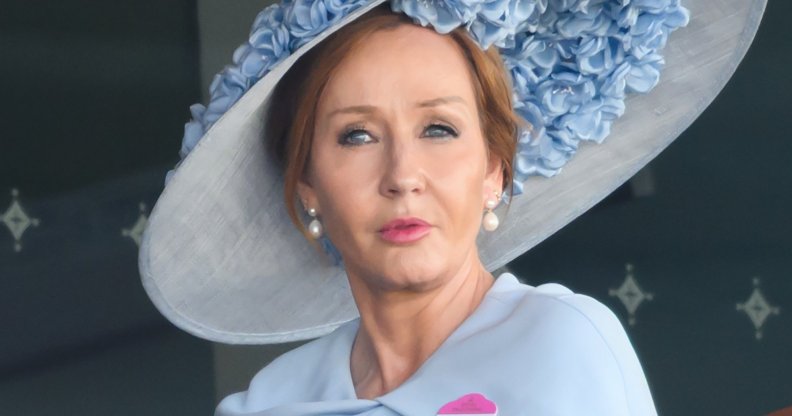
JK Rowling (Getty Images)
JK Rowling re-shared a post which claims the proposed Conversion Practices bill “may also be the biggest threat to gay rights since Section 28”, writing: “THIS.”
The Harry Potter author reposted an X post from columnist Kevin McKenna, who also wrote: “The proposed Conversion Practices bill risks an authoritarian government usurping the role of parents in their children’s lives.”
In his piece for The Herald, McKenna wrote of the draft bill: “For many gay and lesbians though, this bill if enacted would represent the greatest threat to gay rights since 1988 when Section 28 of the Local Government Act in England, Scotland and Wales came into force.”
He added: “Many in the LGB community harbour profound fears that the sprawling and punitive nature of the bill would reinforce some of the conversion practices that it seeks to outlaw.
“In particular, they point to the increasing tendency to encourage vulnerable young teenagers in the false and dangerous belief that they have been born in the wrong body and thus must either be transgender or non-binary.”
What is in the draft Conversion Practices bill?
The draft Conversion Practices Bill includes three proposed offences which would ban criminal conversion practices.
It defines “conversion practice” as “conduct carried out by a person towards an individual with the intention of causing the individual to have or not to have, to believe that they have or do not have” a particular sexual orientation or transgender identity, including non-binary.
It states that conduct that falls under that category but is done so “in the course of providing health care services” to that individual is not deemed a conversion practice unless the person acts in a way that is not “reasonably expected of a person in their position”.
When looking at the conduct of the practitioner, questions are drawn on whether they use violent or threatening words or behaviour, psychological or emotional pressure, as well as other methods.
It also covers practices outside of the UK, when facilitated by a person within the UK.
Why has the bill caused controversy among some?
The LGB Alliance claims that the bill means someone, including parents, who suggests a young person might be gay rather than trans “could be accused of a conversion practice and sent to prison for up to five years”.
They argue the bill has been turned “into a charter for the angry and aggrieved, enabling anyone with a grudge to bring a malicious prosecution – including ex partners in custody cases, and children against their parents”.
They talk of young gay people who had been “encouraged to identify as transgender” who “now regret the medical interventions they underwent”.
Critics argue that the inclusion of trans identity in the bill will have a negative effect on young people who are simply questioning or exploring their sexual orientation, while the other side argues excluding trans identity from the bill would leave a whole other group of young people vulnerable to potential conversion practices.
The government has stated the bill is not intended to take away from parents, teachers, counsellors and healthcare professionals who can have “open, exploratory, and even challenging, conversations with those exploring their sexual orientation or gender”.
Share your thoughts! Let us know in the comments below, and remember to keep the conversation respectful.