Family speaks out after transgender woman Stella Nez Perce killed on Metro Transit train
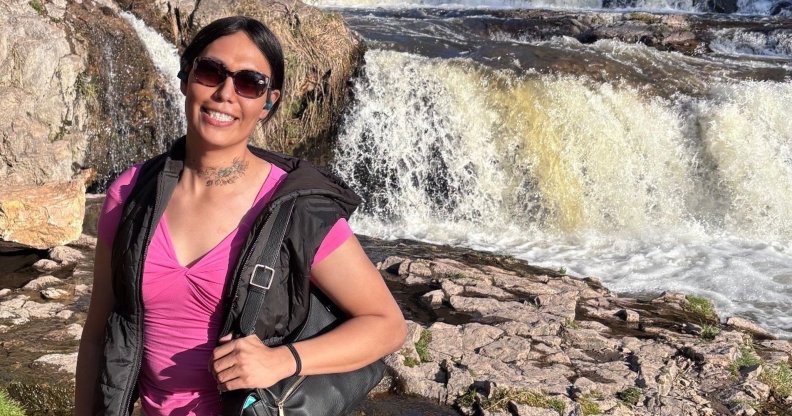
Stella’s family says she was “taken from us far too soon” in online fundraiser statement. (Stella Nez Perce fundraiser)
The family of transgender woman Stella Nez Perce has spoken out after she was fatally shot on a Twin Cities Metro Transit light rail train last month, with prosecutors alleging a “brief encounter” preceded the killing.
Criminal charges allege that, after a verbal exchange with Nez Perce, 30-year-old Jaquan Edwards shot her three times.
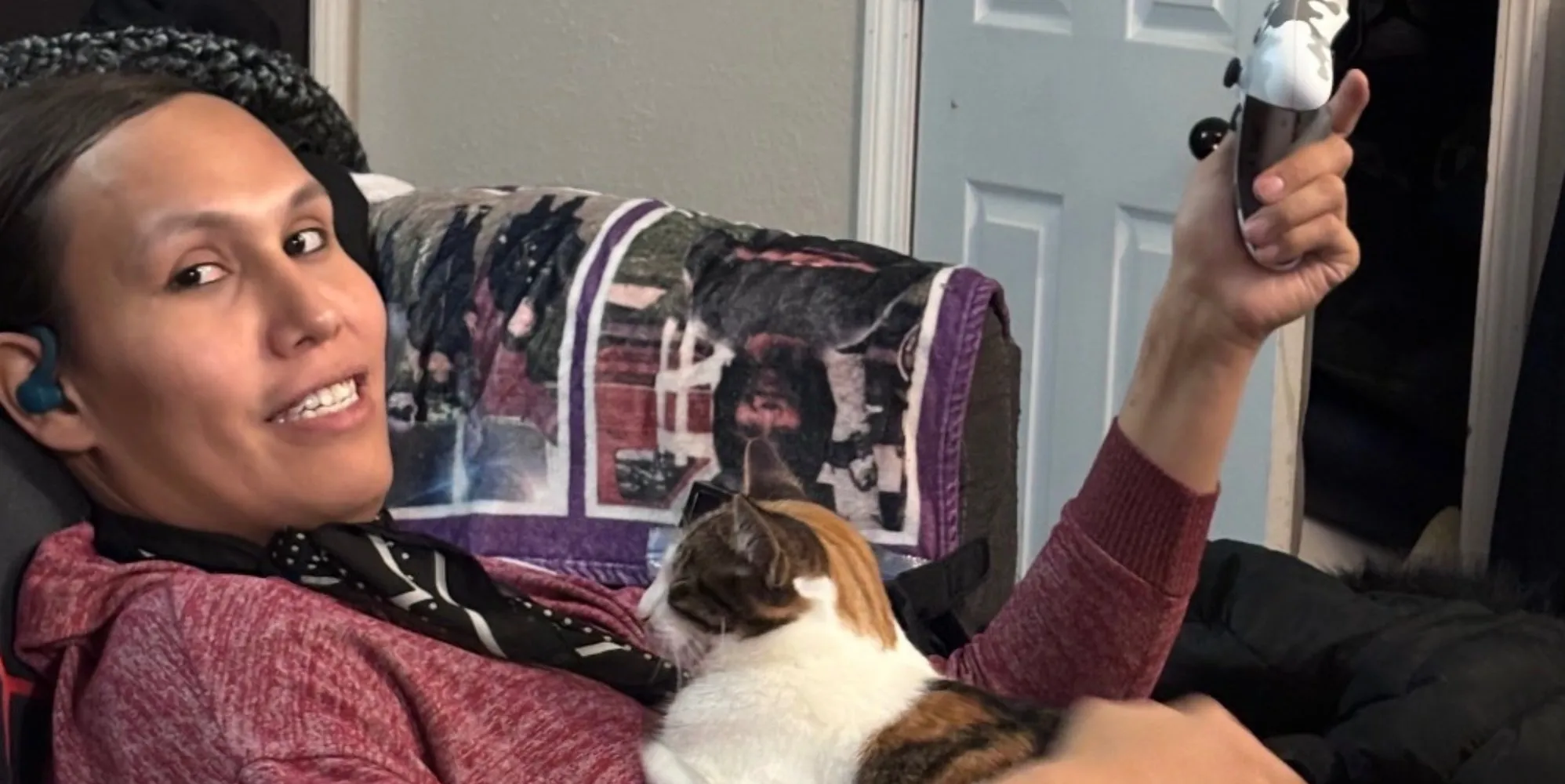
Since then, Nez Perce’s family has set up an online fundraiser, describing her as an innocent victim of gun violence. On the fundraising page, her sister Jo Nez Perce wrote: “We are still trying to process the heartbreak of losing her,” adding: “She was taken from us far too soon.”
Her brother, Dion Nez Perce, also shared his grief, saying: “This puts a big damper on my heart.”
What do the charging documents allege?
Charging documents say surveillance footage showed Edwards at a different light rail station earlier that night, where he was seen spitting on the platform.
The documents also allege DNA from the spit matched DNA obtained from a cigar tip recovered from Edwards’ trash.
Edwards remains jailed in Hennepin County. His next court appearance is scheduled for 1 December.
How LGBTQ+ leaders are responding
Kat Rohn, executive director of OutFront Minnesota, said violence and harassment in public spaces do not fall evenly, and pointed to the heightened vulnerability many trans people face day to day.
“Indigenous and Black trans individuals are at far higher risks of experiencing violence and harassment in public settings, and often have fewer resources to turn to and feel less safety in those spaces because of internalized biases that people might have about trans communities,” Rohn said.
The Minnesota House Queer Legislators Caucus also issued a statement remembering Nez Perce and urging people to centre her life, not only her death. “Together, we honor her memory by talking about how she lived an unapologetically authentic life on her own terms, the positive impact she made on our community, and the kindness she exuded, not by the horrific manner of her death,” the caucus said.

Trans women, particularly Black and Indigenous trans women, are disproportionately affected by fatal violence in the US. This year also saw the death of trans man Sam Nordquist, after police said there was ‘no indication’ the brutal killing was a hate crime.