Baroness Cass withdraws support for Labour conversion practices ban, warning of ‘chilling effects’
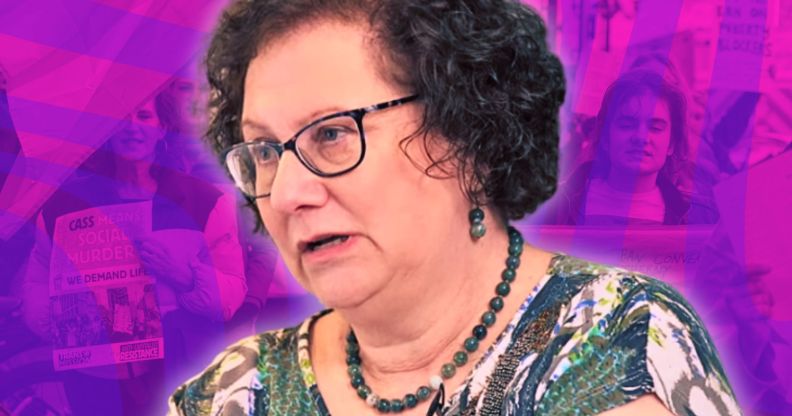
Baroness Cass has withdrawn her support for Labour’s Draft Conversion Practices Bill. (Getty Images)
Baroness Cass has withdrawn her support for Labour’s Draft Conversion Practices Bill, telling a parliamentary committee: “I can’t support the Bill in its current form.”
Cass, the paediatrician who led the Cass Review into NHS gender identity services for children and young people, warned the proposed ban could have “serious unintended consequences”. She said she did not think the draft was “anywhere near tight enough” to avoid them.
The Draft Conversion Practices Bill is intended to outlaw “abusive” attempts to change someone’s sexual orientation or gender identity in England and Wales. If passed as drafted, the proposals would mean those carrying out abusive therapy in an effort to change the sexuality or gender identity of gay and transgender people could be punished with up to five years’ imprisonment and unlimited fines.
Cass also warned the Bill could have “chilling effects” for healthcare workers who, as part of their jobs, have difficult conversations with gender-questioning young people.
Why did Baroness Cass withdraw her support?
Cass told MPs that the supportive remark credited to her in a government press release that launched the Bill was given before she had seen the full details.

“I hadn’t actually seen [it] and said that I couldn’t give a statement until I had,” she said.
Cass also said she was given little time to review the text before the comment was sought. “Unfortunately, I was not sent the Bill until about 15 minutes before they wanted the press comment,” she told the committee.
She said her initial support had been based on talks with ministers about “the principles of how the Bill would operate”, but that after considering Labour’s proposals she could not back it as drafted.
What is in Labour’s Draft Conversion Practices Bill?
A ban on conversion practices has been debated for years, with repeated arguments over definitions, scope and safeguards, including how any law affects both sexual orientation and gender identity.
Cass’s intervention also lands in a wider, highly charged debate about youth gender healthcare. In October 2024, more than 100 organisations and activists signed an open letter criticising the Department of Health’s implementation of the Cass Review, warning it promoted a flawed approach to assessing the efficacy and safety of clinical support.

Cass is now an independent adviser to the Department of Health and Social Care, and her evidence to MPs is likely to be closely watched as scrutiny of the draft Bill continues.