Almost half of LGBTQ+ teens face online blackmail including threat of outing
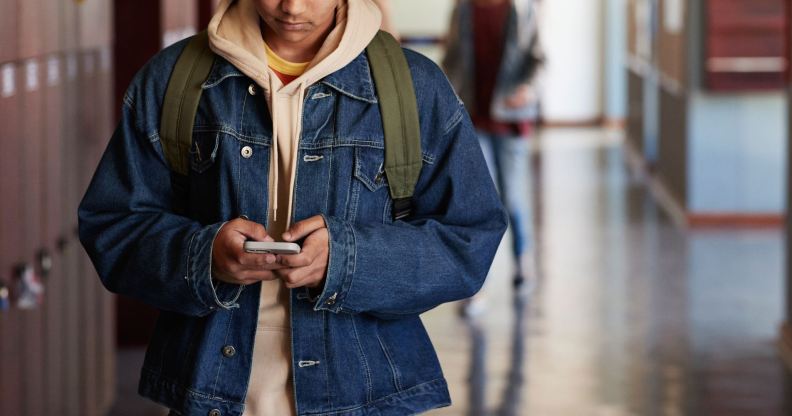
Many young LGBTQ+ people face online blackmail (Getty Images, stock image)
A new study has found that 47% of LGBTQ+ people aged 13 to 19 have been blackmailed online, with many cases involving the threat of being outed.
The research, from NSPCC, the University of Birmingham and Nottingham Trent University, surveyed 438 LGBTQ+ 13 to 19-year-olds to look at their awareness and experiences of online blackmail, as well as the impact it had and their views on seeking support. The study is the first of its kind in the UK.
Of those surveyed, 47% had experience of online blackmail, with 45% of those people reporting their sexuality, gender identity or relationships had been used as a form of coercion. Thirty-nine per cent had been threatened with having intimate photos shared online or with their peers.
The research found that Snapchat was the platform most of those surveyed had experience of online blackmail with, at 62%. Whatsapp and iMessage followed at 45%, with Discord at 24%.
Almost half (45%) felt shame and anxiety about their identity, while more than a third (37%) felt pressure to try and change who they were.
The mental health effects were long-lasting, with more than half reporting self-harm (55%) or having thoughts of self-harm or suicide (54%).

The NSPCC is now calling on tech companies to act to try and prevent online blackmail from happening.
It would require robust action, such as removing features that put children at risk. They say there must also more support from the platforms for the children to report abuse get help.
‘Too many are suffering in silence because they fear what will happen’
The charity says that, if those companies fail to do so, the Government and Ofcom must step in to hold them accountable.
NSPCC CEO Chris Sherwood said: “No young person should have to face online blackmail, yet this research shows LGBTQ+ young people are being deliberately targeted because of who they are. The threat of being outed before they’re ready is causing lasting harm, and too many are suffering in silence because they fear what will happen if they speak up.
“Tech companies must put all children’s safety at the heart of their platforms. That includes listening to children from marginalised groups, who often face unique risks online. Their experiences should help shape safety measures, including confidential reporting tools they can trust.
“If there is a failure to act, Ofcom must use its full range of powers to hold them to account. Young people have told us clearly what they need. Tech companies must now listen.”
Young people can contact Childline on 0800 1111 or at childline.org.uk to speak to a trained counsellor about anything worrying them.
For young people worried about a nude image or video that’s being shared online, Report Remove can help take it down. The service is completely confidential. Visit the Childline website to learn how to use this tool and take back control.
Share your thoughts! Let us know in the comments below, and remember to keep the conversation respectful.